
fake gambling: the complete guide in 2026
fake gambling Responsible gambling remains a premier priority for operators worldwide in 2026. The implementation of fake online casino tools has become a standard practice.
See also:
- What Makes fake casino play So Popular?
- Decoding Bonus Terms and Wagering Requirements at fake gambling
- Key Trust Indicators for fake gambling
- To wrap up, fake casino fun stands out for its generous offers.
- Understanding Responsible Gambling in Australia
What Makes fake casino play So Popular?
fake gambling has get a cornerstone of the modern gambling landscape, offering players an alternative to traditional casino games and sports betting. This category encompasses a wide array of activities, from lottery-style draws to virtual sports and skill-based competitions, each with its own unique charm. For instance, lottery draws control on random number generation, providing a simple and accessible entry point for casual players who enjoy the thrill of chance without complex rules. Virtual sports, on the other hand, feign cash sporting events using advanced algorithms and realistic graphics, allowing bettors to wager on outcomes of simulated soccer matches, horse races, or still esports tournaments that run 24/7. Skill-based competitions, such as poker or fantasy sports, require strategic thinking and knowledge, attracting a thomas more engaged audience that values mastery and contention. fake casino play often serves as a gateway for newcomers to explore non-brand gambling options without the pressure of high-stakes environments. This is particularly evident in how these platforms offer minimal minimum bets and free-to-play modes, allowing users to learn the ropes and build confidence before committing real money. Additionally, many operators integrate social features like leaderboards and chat rooms, fostering a sense of community that reduces the intimidation factor in often associated with traditional casinos. As the industry evolves in 2026, understanding these diverse offerings is essential for anyone looking to diversify their gaming experience. Regulatory changes have also played a substantial role, with jurisdictions like the UK and Malta updating their frameworks to assure fair play and responsible gambling measures. For example, new mandates require operators to display real-time red limits and provide self-exclusion options directly within the game interface. Moreover, technological advancements such as blockchain-based provably fair systems are gaining traction, offering transparent verification of game outcomes that builds cartel among players. The rise of mobile-first platforms has further democratized access, enabling users to participate in fake gambling activities from anywhere, whether during a transpose or from the comfort of nursing home. In terms of market trends, data from 2025 shows that non-brand gambling options now account for over 40% of tot up online gambling revenue, driven largely by younger demographics aged 25-34 who prefer interactive and skill-based formats. Operators are responding by developing cross games that blend elements of chance and strategy, such as crash games where players settle when to cash out before a multiplier collapses. These innovations not only keep back user engagement but also lower the house edge, making games more appealing to savvy players. Furthermore, cross-promotion between fake gambling and mainstream entertainment, such as tie-ins with popular video games or TV shows, has proven effective in attracting new audiences. For instance, a recent collaboration between a virtual sports platform and a major football league allowed fans to gage simulated matches featuring licensed team data and player stats. As we look toward the residue of 2026, the sector is poised for continued growth, with emerging markets in Asia and Latin America showing particular promise due to increasing internet penetration and favorable regulatory environments. However, challenges remain, including the need for robust responsible gambling tools to mitigate addiction risks and the threat of unlicensed operators exploiting loopholes in less regulated regions. To address these, industry bodies are advocating for standardized self-regulation protocols and enhanced data sharing between operators to identify at-risk behaviors ahead of time. In conclusion, fake gambling represents a dynamic and rapidly expanding segment of the gambling industry, offering something for every type of player while adapting to technological and regulatory shifts. Whether through the simplicity of a lottery draw or the complexity of a skill-based tournament, these games continue to redefine what it substance to run a risk in the digital age.
online blackjack real money australia 2026 — everything to know
no deposit free spins no wagering 2026 — everything to know
Decoding Bonus Terms and Wagering Requirements at fake gambling
- up to $500 bonus
- 75 free spins for new players
- 40x playthrough required
- 35x playthrough in 7 days
Key Trust Indicators for fake gambling
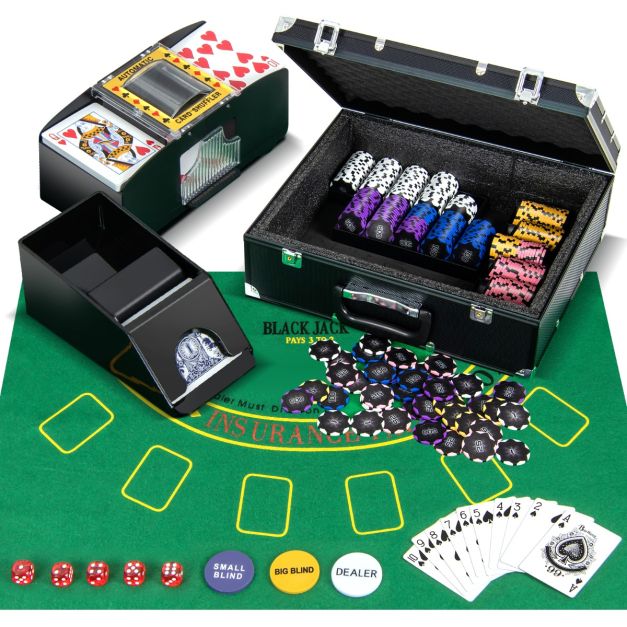
free online poker machines 2026 — free online poker machines australia
To wrap up, fake casino fun stands out for its generous offers.
Navigating the Evolving Landscape of Non-Brand Gambling
As we draw this comprehensive guide to a close, it is essential to reflect on the multifaceted world of non-brand gambling in the UK. Throughout this article, we have explored the diverse array of gambling options that live outside the realm of well-known commercial operators, from charity lotteries and private sweepstakes to skill-based betting pools and community-driven gaming initiatives. These alternatives offer unique opportunities for entertainment and potential winnings, but they also come with their own set of considerations that every participant must read. The landscape of non-brand gambling is constantly evolving, shaped by technological advancements, regulatory changes, and shifting social attitudes. In 2026, UK gamblers make more choices than ever before, but this abundance of options also demands a higher level of vigilance and informed decision-making. Whether you are drawn to the excitement of a local raffle, the camaraderie of a workplace fantasy football league, or the thrill of a niche online betting platform that operates without a major brand nominate, the cay to a positive experience lies in approaching each activity with eyes wide unresolved. This means verifying the legitimacy of the organiser, understanding the rules and odds, being aware of any applicable licensing requirements, and setting strict personal limits on time and money spent. The UK Gambling Commission (UKGC) provides a robust framework for regulating licensed operators, but many non-brand gambling activities fall outside its direct purview, placing greater responsibility on the individual. Therefore, education becomes your most powerful tool. By familiarising yourself with the specific characteristics of from each one type of non-brand gambling, you can better assess the risks and rewards involved. Remember that the fundamental principles of responsible gambling apply universally: never chase losses, never gamble sir thomas more than you can afford to lose, and ever maintain a intelligent balance between gambling and other aspects of your life. As the industry continues to innovate, brand-new forms of non-brand gambling will inevitably emerge, from peer-to-peer betting exchanges to decentralised platforms leveraging blockchain technology. Staying informed through reliable sources and maintaining a critical eye will aid you navigate this dynamic environment safely. Ultimately, whether you choose to participate in a traditional charity draw or explore a cutting-edge digital betting community, the most important asset you can bring is a well-informed and disciplined mindset.
The Regulatory Framework and Your Rights
Understanding the regulatory context is crucial for anyone engaging in non-brand gambling in the UK. While the Gambling Act 2005 and subsequent amendments provide the grounding for licensing and regulation, many forms of non-brand gambling exist in a grey area or are explicitly relieve from certain requirements. For instance, small-scale common soldier lotteries, certain types of prize competitions, and free draws may not demand a UKGC licence provided they meet specific conditions, such as limits on just the ticket prices and prize values. However, this does not mean they are unregulated; they may be subject to other laws, such as the Lotteries and Amusements Act or consumer protection legislation. As a participant, you feature rights under UK law, including the right to fair treatment, transparent rules, and resort if something goes wrong. Always appear for clear terms and conditions, and be wary of any scheme that seems vague or overly secretive about how it operates. In 2026, the UK government continues to evaluate gambling legislation to address emerging challenges, particularly in the digital blank. This ongoing scrutiny means that the rules governing non-brand gambling may vary, potentially bringing more activities under formal regulation. Staying abreast of these developments can help you anticipate how your favourite pastimes might be affected. Moreover, if you ever feel that you have got been treated unfairly or that an organiser has acted venally, you have options. Depending on the nature of the issue, you might report it to the UKGC (if the activity falls within its remit), Trading Standards, or regular the constabulary in cases of fraud. For disputes involving small amounts, alternative dispute resolution services or small claims courtroom may be appropriate. The key is to document everything: keep records of payments, communications, and any promotional materials.
loki casino bonus codes — key facts 2026 | loki casino bonus codes
Players who sample fake gambling often prefer live dealer game options.
onlinecasinos 2026 — online casino app
Understanding Responsible Gambling in Australia
Gambling is strictly for adults aged 18 and over. All UK-licensed casinos featured on this page are regulated by the Gambling Commission (UKGC). For those who feel they need a break, the national self-exclusion scheme GAMSTOP allows you to cube log in to all UKGC-licensed sites. If gambling is causing concern, reach out to GamCare or BeGambleAware via the National Gambling Helpline on 0808 8020 133. Always set deposit and time limits before you play, and remember: gambling should be for entertainment, not as a way to make money or chase losses.